In today’s world, power isn’t just a commodity: it’s a driving force behind innovation, technology, and everyday life. Whether it’s in homes, industries, or the digital landscape, ‘lots of power’ signifies little more than the essential energy that fuels our progress. But what does this phrase really encompass? Understanding its significance can unlock numerous advantages for individuals and organizations alike.
What Is Lots Of Power?

When discussing ‘lots of power,’ one is typically referring to a substantial amount of energy or strength supplied to perform various functions efficiently. This concept can be applied across multiple domains, including electrical power, processing power in computing, and even human energy in organizational contexts.
In the realm of electricity, for instance, lots of power refers to a significant capacity capable of running heavy machinery, powering industrial operations, or supporting vast networks. In computing, it relates to a system’s ability to process complex algorithms and handle large datasets quickly. Understanding these distinctions is crucial for grasping the overarching importance of power in modern society.
Key Features of Lots Of Power
The essence of lots of power lies in its diverse applications and key features that underscore its importance in various fields.
Applications and Use Cases
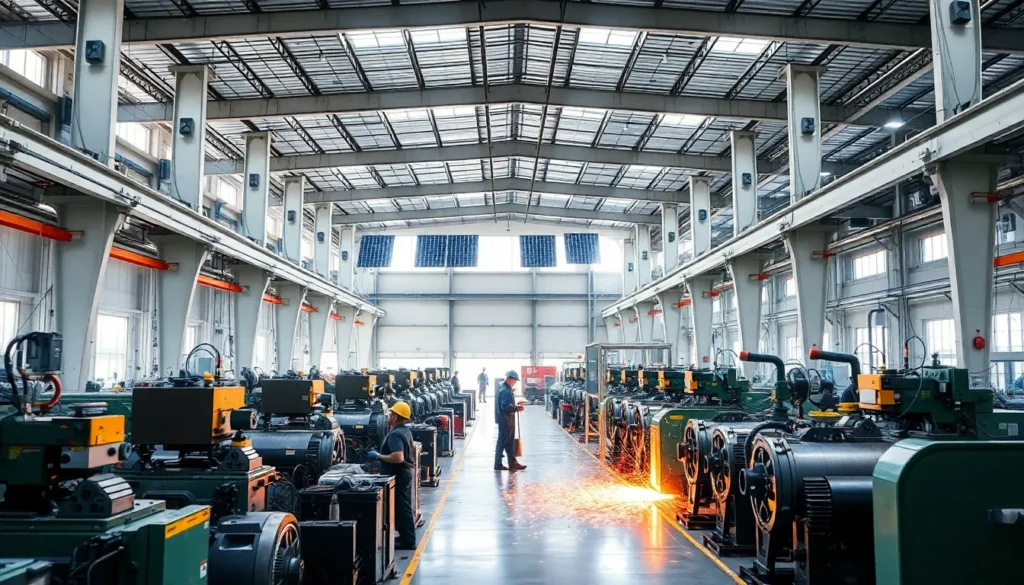
- Industrial Applications: In manufacturing plants, large amounts of power are necessary to operate machinery that produces goods at scale. High-capacity electrical systems are tailored to meet these demands, ensuring efficiency and productivity.
- Data Centers: Modern data centers require lots of power to sustain numerous servers and complex operations. This energy is crucial to ensure that data is processed, stored, and retrieved seamlessly, keeping businesses functioning smoothly.
- Renewable Energy: As the world shifts toward sustainable energy solutions, the need for lots of power generated from renewable sources like wind and solar has surged. These technologies highlight the importance of harnessing energy efficiently while minimizing environmental impacts.
Benefits of Using Lots Of Power
Utilizing lots of power comes with numerous advantages that can significantly elevate operational outcomes across various sectors.
- Enhanced Efficiency: Powering operations with adequate resources ensures processes run smoothly. This is particularly evident in industries where downtime can lead to substantial losses.
- Scalability: With ample power supplies, businesses can scale their operations swiftly to meet increasing demands, adapt to innovations, and leverage new technologies.
- Cost-Effectiveness: In the long run, adequate power provision can lead to cost reductions through optimized operations, decreased downtime, and maximizing output.
Challenges and Considerations
While the benefits of lots of power are apparent, there are challenges that must be acknowledged.
- Infrastructure Costs: Establishing the necessary infrastructure to support high-capacity power systems can require substantial initial investment.
- Sustainability Issues: With the growing focus on environmental stewardship, reliance on traditional power sources can pose challenges, necessitating a shift toward renewable solutions.
- Regulatory Compliance: Businesses must navigate regulations concerning energy consumption and emissions, which can complicate operational strategies.
Future Trends in Power Technology
The landscape of power technology is continuously evolving, driven by innovation and the urgent demand for sustainable solutions. Several key trends are emerging:
- Smart Grids: These are networks that use digital communication technology to detect and react to local changes in usage, optimizing energy distribution.
- Energy Storage Solutions: Advancements in battery technology, including lithium-ion and flow batteries, are creating new opportunities for energy storage, allowing for the use of renewable energy even when demand peaks.
- Decentralized Energy Systems: Increasingly, power generation is shifting from centralized plants to localized, decentralized systems that promote sustainability and resilience, particularly in urban settings.
Conclusion
Understanding the significance of lots of power is critical in navigating the complex landscape of energy and technology today. From its diverse applications in industrial settings to the budding future of energy technologies, the concept is foundational to innovation and efficiency. As industries adapt to the demands for more power while also facing sustainability challenges, the importance of harnessing this energy responsibly and effectively cannot be overstated. Looking ahead, embracing trends such as smart grids and decentralized systems will be essential for both organizations and consumers aiming to thrive in an energy-rich future.