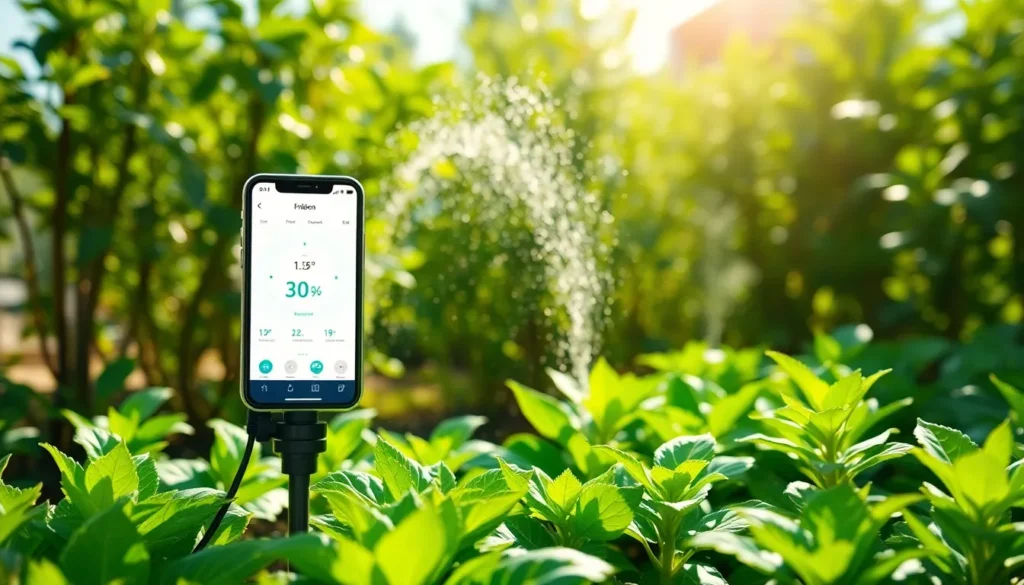
Have you ever wondered how some lawns are lush and green while others look like the Sahara? The answer often lies in smart irrigation systems. Picture this: a garden that knows exactly how much water it needs, watering itself without you lifting a finger. Sounds too good to be true? In this text, we discover the realm of smart irrigation, touching on everything from its benefits to the challenges of implementing it in homes and businesses. So grab your garden gloves and let’s dig in.
Overview of Smart Irrigation Systems
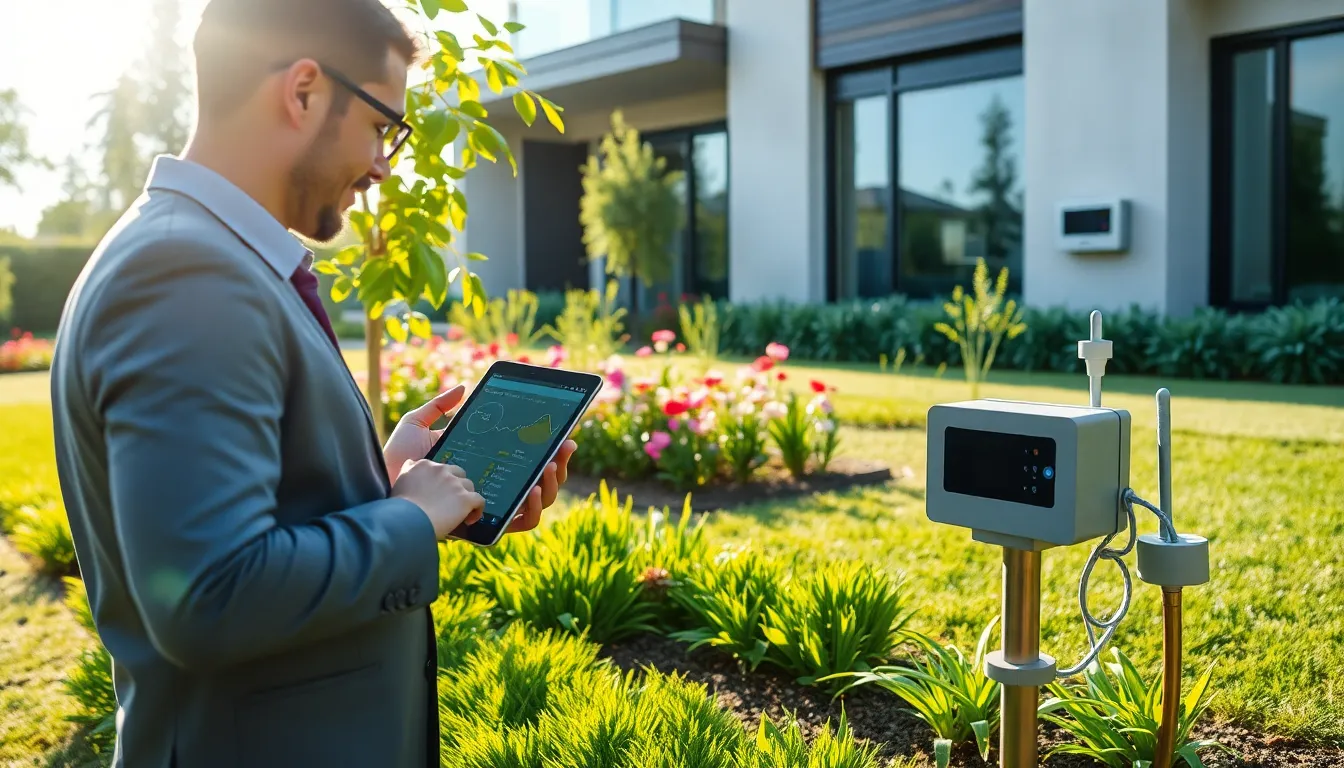
Smart irrigation systems use advanced technology to optimize water usage in gardens and landscapes. Gone are the days of manually adjusting sprinkler heads or praying for rain. These systems incorporate sensors, timers, and weather data to make informed decisions about when and how much to water. By employing tools such as soil moisture sensors, these systems can detect when plants are thirsty, delivering the right amount of water at the right time. Homeowners, farmers, and developers alike are discovering that smart irrigation isn’t just a luxury: it’s a necessity for maintaining healthy landscapes while conserving vital resources.
Benefits of Smart Irrigation
The advantages of smart irrigation systems are numerous and impactful. First off, they drastically reduce water wastage. By watering only when necessary, these systems can cut water usage by up to 50%. Imagine the savings on your utility bills. But it’s not just about saving bucks: smart irrigation promotes healthier plant growth. Consistent and proper watering leads to more robust roots and vibrant greenery.
Also, smart irrigation can improve property value. Homebuyers are increasingly looking for properties with integrated technology, and having a smart irrigation system can set a property apart. Finally, these systems can also contribute to environmental sustainability. When water is used efficiently, the overall impact on local ecosystems decreases, creating a win-win situation for homeowners and the planet.
How Smart Irrigation Works
So how does all this high-tech magic happen? Smart irrigation systems use a combination of hardware and software to gather data. Sensors installed in the soil measure moisture levels, while weather data is constantly analyzed, forecasting rainfall and temperature changes.
This information is fed into a central controller that makes watering decisions based on real-time needs. For instance, if rain is on the horizon, the system automatically adjusts its watering schedule. Homeowners can often control these systems via smartphone apps, granting them the ability to monitor and adjust their watering strategies remotely. Talk about convenience. Imagine lounging on the couch while your garden gets the royal treatment.
Integration with Real Estate Development
In the realm of real estate development, integrating smart irrigation systems is becoming increasingly beneficial for builders and buyers alike. New developments often emphasize sustainability and eco-friendliness, and smart irrigation fits perfectly into this vision. This technology can not only enhance the aesthetic appeal of a property but also serve as a selling point.
Also, developers can work closely with irrigation specialists to design landscapes that require minimal maintenance and conserve water. Properties equipped with smart irrigation systems are more attractive to potential buyers, leading to faster sales and higher property values. As sustainability becomes more of a priority for consumers, incorporating such technology will likely become a standard practice in real estate.
Challenges in Implementing Smart Irrigation
While smart irrigation systems offer a host of benefits, they aren’t without challenges. The initial investment can be steep. Homeowners and developers might hesitate to spend upfront on sophisticated technology. Also, the complexity of setup and maintenance can deter those who aren’t tech-savvy.
Also, there’s the issue of compatibility with existing systems. Not all older irrigation systems can easily transition to smart technology without significant modifications. Finally, data privacy concerns arise with any technology that collects usage information. Consumers must trust that their data will be handled responsibly and securely.
Future Trends in Smart Irrigation Technology
As technology continues to evolve, so too does the world of smart irrigation. Future trends indicate a move toward even more integrated systems that can communicate with other home automation technologies. Imagine a home ecosystem where your weather data syncs with your irrigation system for optimal results.
Also, advances in artificial intelligence are set to enhance decision-making within these systems. AI could analyze plant health, weather patterns, and soil conditions to provide even more precise watering recommendations. Also, we might see more sustainable practices incorporated into smart irrigation systems, such as rainwater harvesting features that use natural resources more effectively.