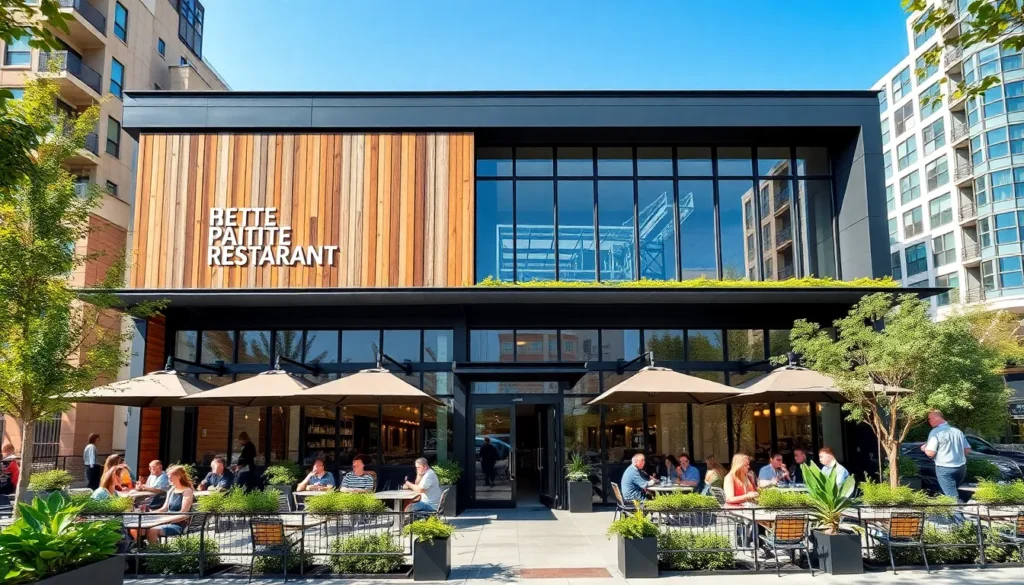
When it comes to dining out, people often focus on the food, the atmosphere, or the service. But let’s not forget the unsung hero of the dining experience: the restaurant building itself. Yes, that brick-and-mortar structure cradling memories of first dates and birthday bashes plays a vital role in attracting customers. Think of a restaurant building like the perfect outfit: if it looks good, you’re already halfway there. From design intricacies to functionality, let’s jump into what makes restaurant buildings not just visually appealing but essential for a thriving business.
Importance of Restaurant Building Design
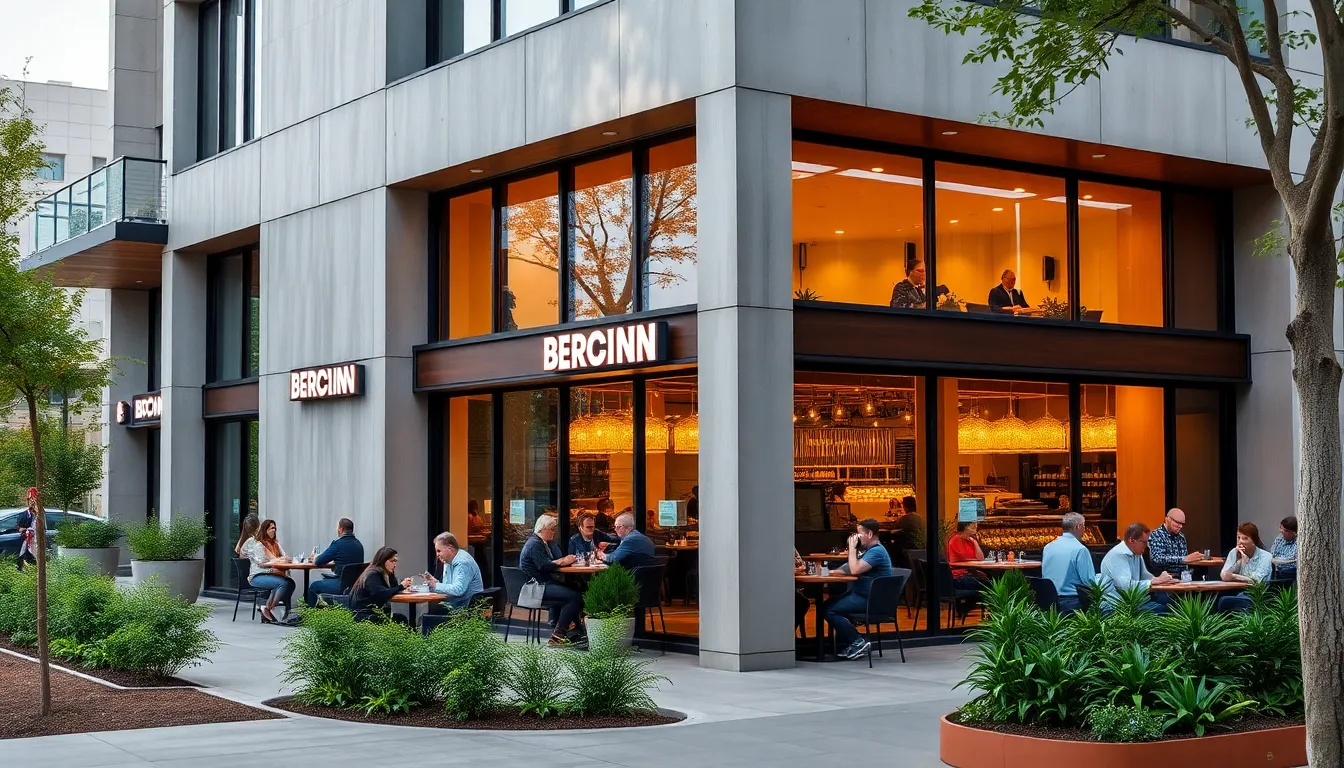
The design of a restaurant building is far from arbitrary. It serves multiple purposes that extend beyond aesthetics. First, it creates an inviting atmosphere that beckons passersby. When someone strolls by, the right architectural features can make them stop in their tracks. Also, the design significantly impacts the flow of service. A well-designed space allows staff to move efficiently, ensuring that patrons receive timely service without unnecessary delays. Not to mention, the atmosphere set by the design can influence customer mood, making them more likely to linger and indulge in that second round of drinks.
Beyond initial impressions, buildings can also reflect a restaurant’s brand identity. A rustic, wooden structure might evoke warmth and hominess, whereas a sleek, modern design could communicate sophistication and innovation. Every detail, from the choice of materials to the interior color palette, contributes to the overall customer experience.
Types of Restaurant Buildings
In the world of dining, variety truly is the spice of life. Restaurants come in various forms, each with unique architectural elements.
Key Elements of Restaurant Architecture
First up, we have stand-alone buildings. These structures are typically purpose-built for dining and often allow for creative freedom in design. Restaurants within existing buildings come next, which can be advantageous for reducing construction costs but may limit structural changes. Food trucks and temporary pop-ups are a quirky trend that offers flexibility and a chance to tap into various locales without being tied down to a single spot.
Layout and Floor Plan Considerations
When it comes to layouts, functionality reigns supreme. Open floor plans promote interaction among diners, while segmented spaces can provide romantic enclaves. Important components like the kitchen’s position relative to the dining area, restrooms, and even entrances can drastically impact service speed and customer satisfaction. Think about it: if a family must trek halfway across the restaurant just to wash their hands, it might just ruin their appetite.
Sustainable and Eco-Friendly Designs
In a time when climate change is a pressing concern, sustainable restaurant building designs are gaining traction. From energy-efficient lighting to recycled building materials, there are numerous ways to create a green dining space.
Incorporating natural elements like plants or even water features can enhance the ambiance and result in a healthier indoor environment. Also, opting for energy-efficient appliances not only decreases a restaurant’s carbon footprint but can also lead to substantial savings in operating costs. Smart thermostats and low-flow fixtures are just a few examples of eco-friendly technologies that can significantly make a difference.
Also, there’s a growing trend towards “farm-to-table” restaurants that feature on-site gardens. This not only promotes sustainability but also provides diners with a true taste of freshness. Who wouldn’t want to pluck a tomato for their salad right outside their dining table?
Challenges in Restaurant Building Design
Even though the allure of creating a stunning restaurant space, challenges abound. Zoning laws can serve as roadblocks, as different areas may have specific regulations about what kinds of structures can be built. For instance, a rustic pizza joint might face challenges if built in a sleek, modern neighborhood.
Also, the costs associated with modern design elements can escalate quickly. Budgeting for high-quality materials, labor, and permitting makes it essential for owners to plan and allocate resources wisely. Then come the logistical issues. Fitting a fully operational kitchen into a space not designed for it can lead to a cramped and inefficient work environment. It’s a delicate dance of aesthetics and practicality that requires expert navigation.
Future Trends in Restaurant Architecture
As dining preferences evolve, so too do the design trends in restaurant architecture. One emerging trend is modular construction, allowing for quicker builds and efficient renovations. Restaurants might adapt to changing tastes more readily with this approach.
Another notable trend is incorporating technology into the dining experience. Imagine QR codes for menus that dynamically adjust based on inventory. Bluetooth-enabled tables charging mobile devices while diners enjoy their meals offer a glimpse into the high-tech future of dining.
Finally, blending indoor and outdoor spaces is becoming increasingly popular. With the rise in outdoor dining, restaurants are creating seamless transitions between the restaurant’s interior and exterior, providing customers with the fresh air they crave as they dine.